
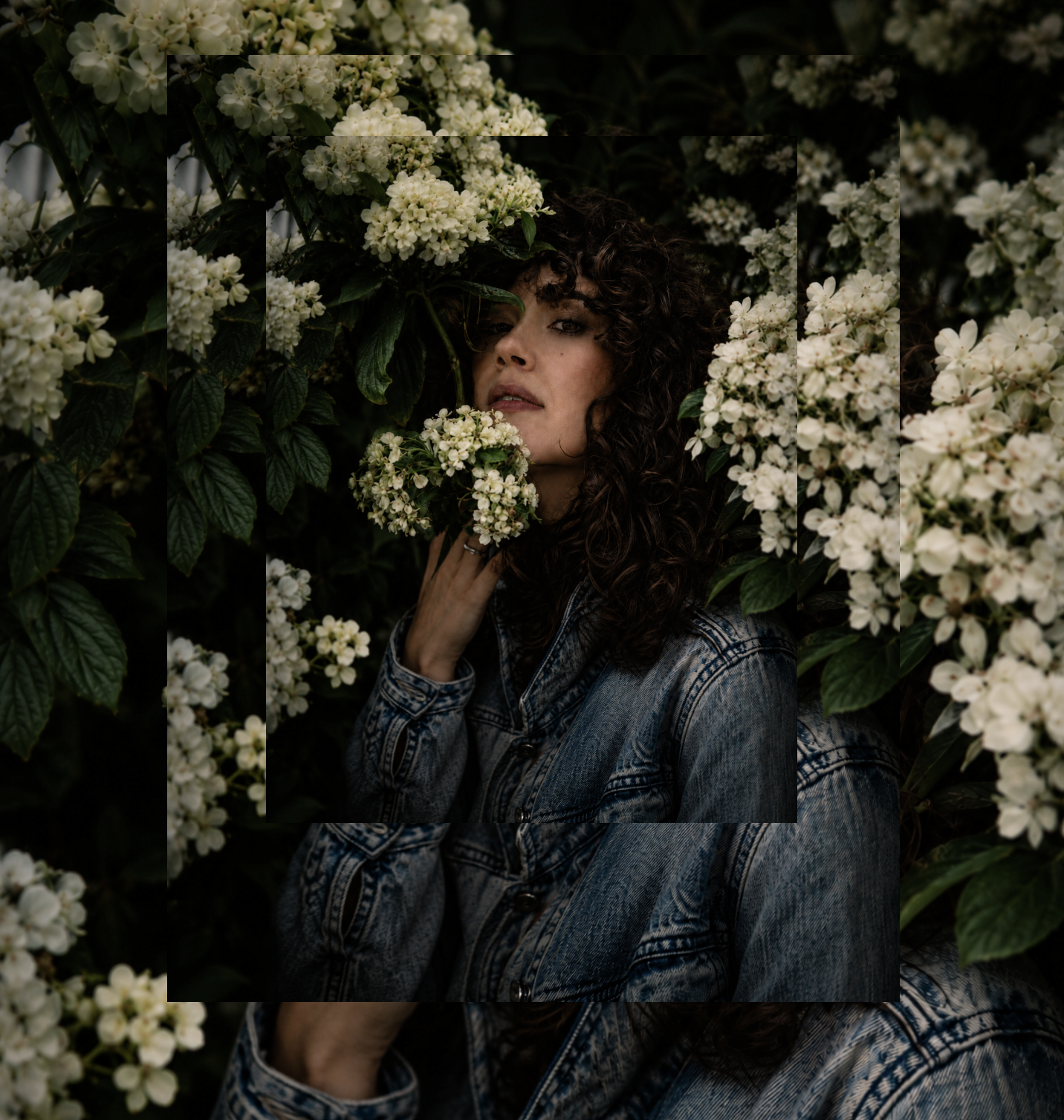
ELANA SWARTZ
FILM
Photography by @classyjorge
ELANA IS REWRITING THE SCRIPT
FILM / INTERVIEWED BY LAUX | AUGUST 2026
IMAGERY VIA
@elanajswartz
Before we get started, I pulled a tarot card while thinking about you.
I pulled the Eight of Wands.
The Eight of Wands represents momentum, movement, and those moments when life suddenly begins unfolding faster than expected. Traditionally, it is a card of breakthroughs and forward motion. It reminds us that sometimes, after a long period of waiting or uncertainty, everything begins to move at once.
At its highest expression, it represents momentum, freedom, confidence, communication, and trusting the direction life is taking you. Its shadow side can be feeling overwhelmed, moving too quickly, acting impulsively, or struggling to slow down and remain present.
With that in mind, the turning-point question I came up with is:
Can you tell me about a time when your life suddenly started moving in a completely different direction?
I think that moment was when I moved to San Francisco. My husband and I moved here during the summer of 2021, in the middle of the pandemic. Originally, we thought we would move to Washington, D.C. I had a lot of theater connections there through my college program, so it seemed like the natural choice. But my husband is a product designer, and he couldn’t find the kind of job he wanted there. So D.C. was taken off the table.
We had visited San Francisco in 2016 when he came here for work and I tagged along. We explored the city and different parts of the Bay Area, and we completely fell in love with it. I looked at him and said, “What about San Francisco? What about California?” We both laughed. Then we looked at each other and realized it might actually be a good fit. There was something exciting about going somewhere new, trying something completely different, and getting away from all the things that had always felt normal.
I had traveled before, but I had never lived anywhere other than where I grew up. Moving gave us the opportunity to start over. We finally said, “What’s the worst that could happen? If we hate it, we can move again.” So we did.
You mentioned that moving to San Francisco felt like a leap into the unknown. Looking back now, what do you think that leap taught you?
It taught me that I was far more adaptable than I’d ever given myself credit for. Before moving here, I liked knowing exactly what was coming next. I liked having a plan. Leaving everything behind meant giving up that certainty.
When we arrived, we didn’t know many people. We had to build an entirely new life from scratch. There were moments when it felt overwhelming. But there was also something incredibly freeing about realizing we could reinvent ourselves. Nobody here knew who I’d been before. I wasn’t carrying expectations from childhood or college. I could simply become whoever I wanted to become. That was both exciting and terrifying.
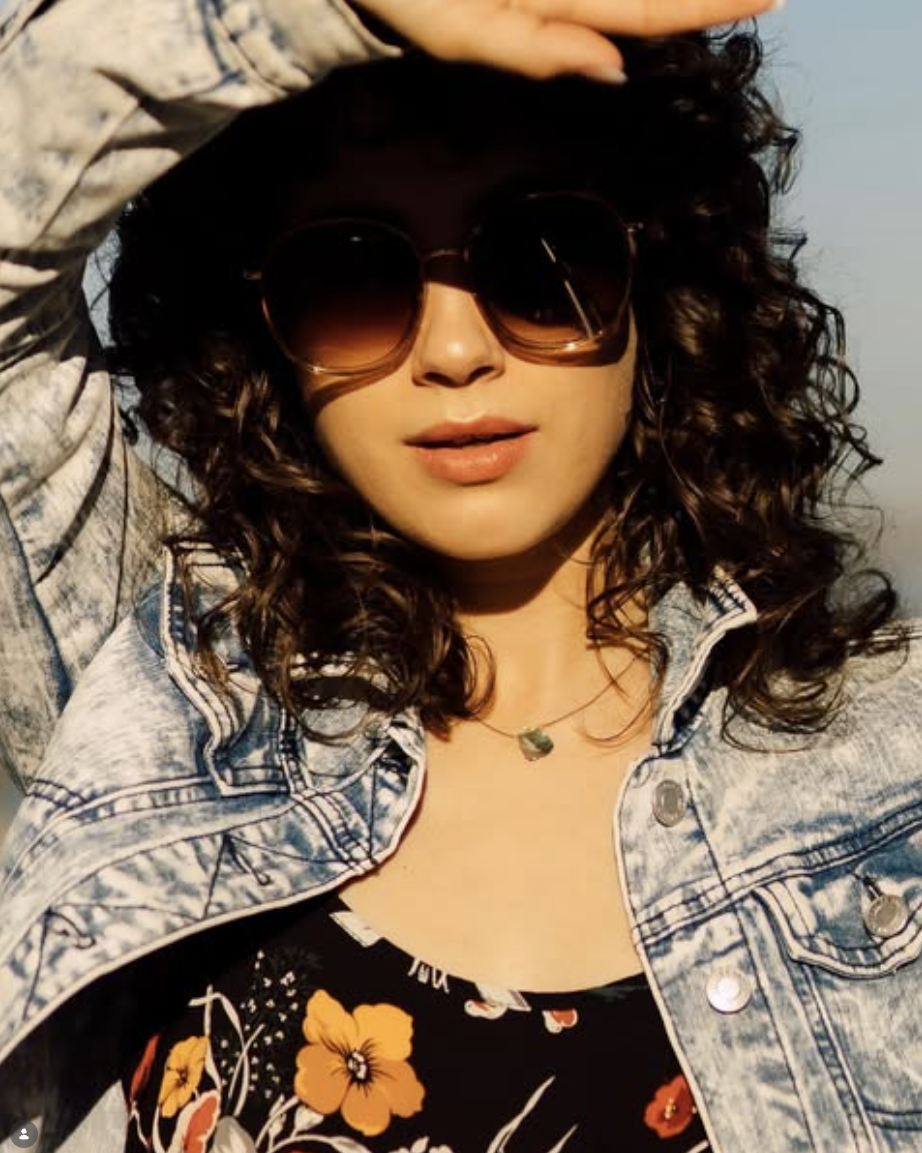
Over time, San Francisco started feeling less like the place I’d moved to and more like home. The city challenged me in ways I didn’t expect. It pushed me creatively. It introduced me to people I never would have met otherwise. Most importantly, it reminded me that growth usually begins the moment you stop waiting to feel completely ready. Sometimes changing your environment changes you.
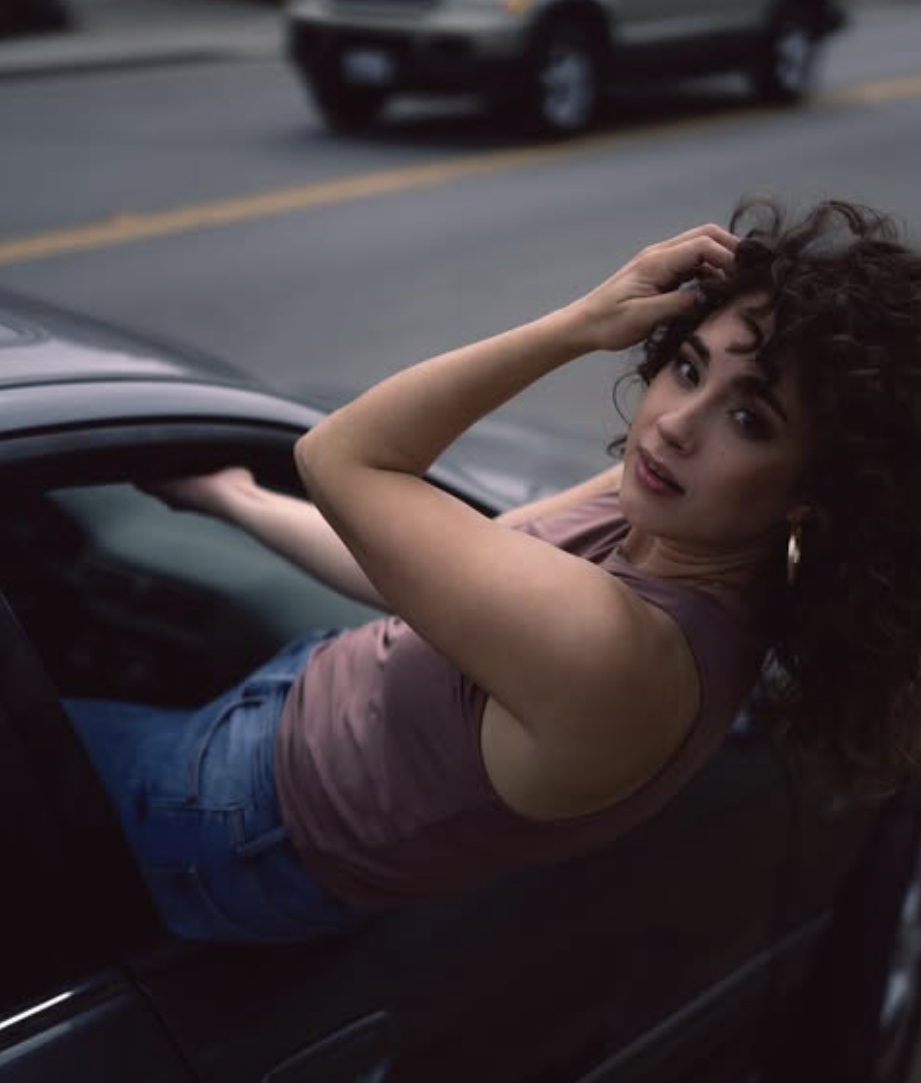
Photography by @alexndr_sala
What did creativity look like when you were growing up?
I don’t really remember a time when creativity wasn’t part of my life. My dad taught theater, so rehearsals, costumes, performances, and productions were completely normal to me. I grew up backstage. It was just part of our family. Because of that, storytelling always felt natural.
I wasn’t thinking about becoming an actor. I was simply surrounded by people making things together, creating worlds together. As I got older, I started exploring different creative outlets. Theater was always home, but I became fascinated by everything that existed around it too. Costuming. Makeup. Directing. Playwriting. I loved seeing how every person contributed something different to create a single experience.
That’s probably what drew me in the most. Not just performing. Creating something larger than yourself.
When did acting become more than something you enjoyed? When did it become something you knew you needed?
I don’t know that there was one lightning-bolt moment where I thought, “This is it.” But going to school for theater made it real. For the first time, I was investing real money, real time, and asking my husband to sacrifice alongside me. I remember thinking, “I’m not going to screw this up.” It wasn’t just a hobby anymore. It was a commitment.
Then, just before we moved to San Francisco, my brother-in-law passed away. Our move was delayed about a month while I stayed with my sister and helped however I could. By the time we finally arrived in California, I was carrying a tremendous amount of grief.
One day an audition came across my email. It was for Much Ado About Nothing, one of my favorite Shakespeare plays. I almost didn’t go. Everything still felt so heavy. But something in me knew I needed theater more than ever. Looking back, that audition wasn’t just about acting. It was my way back to myself with the help of a theater community.
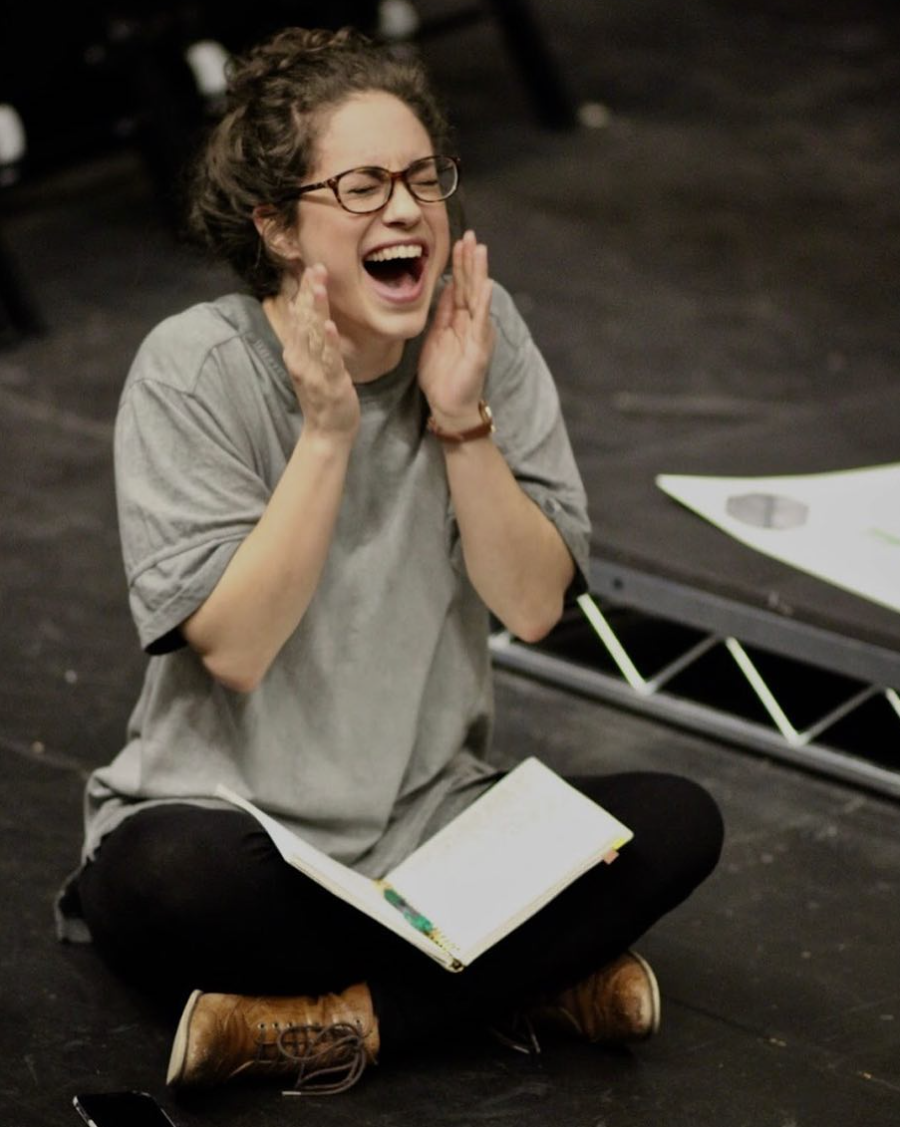
Photography by @morgan_flanagan2
Can you remember a place from your childhood that still feels alive in your memory?
The first place that comes to mind is the auditorium at my dad’s high school. Theaters have always felt alive to me. They’re almost like churches. They’ve witnessed so much humanity. Joy. Grief. Fear. Laughter. Hope. It’s all held within those walls.
People come into a theater willing to be vulnerable. Actors step onstage and offer pieces of themselves, while audiences quietly lower their defenses and allow themselves to feel something they might otherwise avoid.
Every audience is different. Every performance changes because the people in the room change. That’s what makes theater feel alive. It’s never exactly the same twice.
To me, it’s a sacred space. Not because of the building itself, but because of what happens inside it. When people gather together to tell stories, something bigger than all of us begins to emerge. That’s what keeps pulling me back.
What’s something you’ve had to let go of in order to become who you are?
Perfectionism. Or maybe more accurately, the idea that there’s a “right” way to live.
Growing up in a deeply religious household, there was always this sense that life followed a particular path. There was a right decision, a right timeline, a right way to behave. As a woman, I felt that pressure even more. If I didn’t look a certain way, if I didn’t sound a certain way, if I didn’t meet every expectation, then somehow I was falling short.
That mindset followed me into acting. Because my body, my voice, and my emotions are the instruments I use to do my work, it’s incredibly easy to confuse criticism of a performance with criticism of myself. I’ve had to learn that those are two very different things. Someone can dislike my performance without rejecting me as a person.
I think women do this all the time. We cast ourselves into roles long before anyone else does. We decide who we’re allowed to be, what we’re good at, what’s “in character” for us, and what isn’t. Then we stop ourselves from trying new things because they don’t fit the version of ourselves we’ve already written.
But we’re allowed to rewrite the script. We’re allowed to surprise ourselves. We’re allowed to become someone we couldn’t have imagined a few years earlier.
For me, that’s what letting go has looked like. Not becoming someone else, but giving myself permission to keep becoming.
Something occurred to me while we were talking. You grew up in a very religious environment where there often seemed to be one “right” way to think, one “right” way to live. Then you discovered theater. Do you think theater became a place where you could safely explore other ways of being?
Absolutely. That’s a huge part of why it became so important to me.
I remember telling my mom once, “I can’t play Mary Magdalene for the rest of my life.” There are only so many stories you’re allowed to tell when every character is expected to fit into the same framework. I wanted complexity. I wanted contradiction. I wanted to understand people whose lives looked nothing like mine.
Theater gave me permission to do that. For the first time, I could step into someone else’s life without anyone questioning it. I could ask difficult questions. I could wrestle with ideas. I could explore grief, joy, fear, love, anger, doubt. All of it.
And because I was playing a character, there was a certain safety in that exploration. But over time, I realized I wasn’t just learning about the characters. I was learning about myself. Every role revealed something different about what it means to be human.
That’s why I still love theater. It’s one of the few places where curiosity is encouraged instead of punished. It’s a place where you don’t have to arrive with all the answers. You get to keep asking questions.
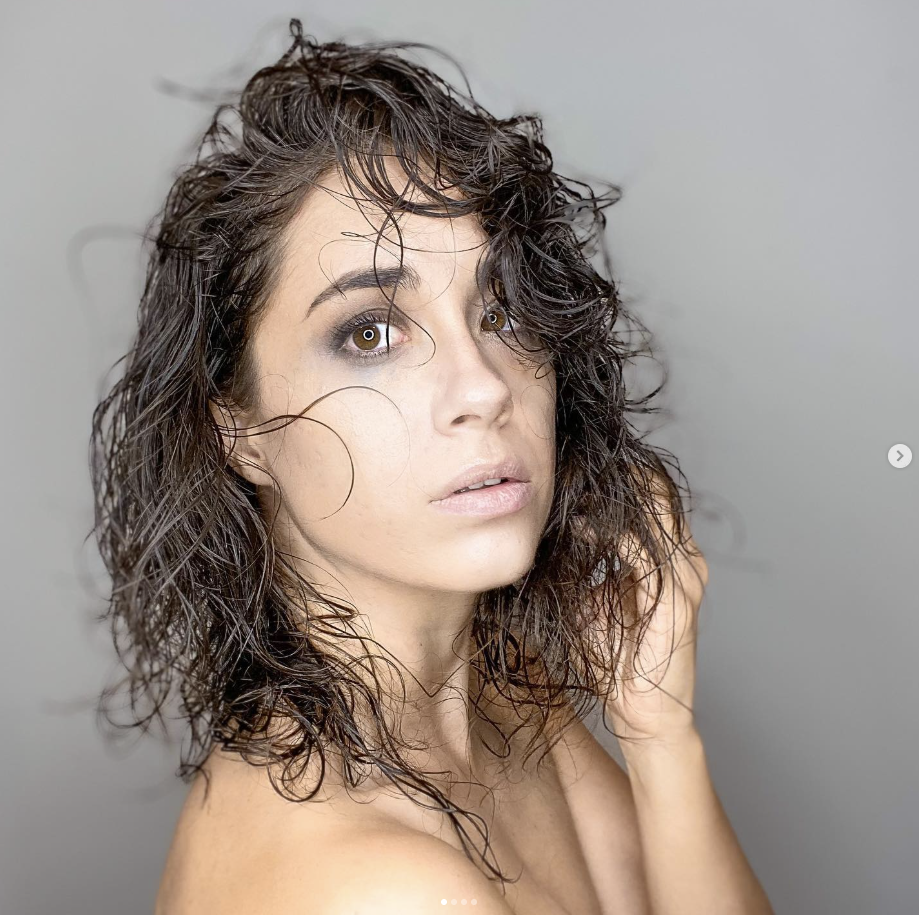
Photo Courtesy of Elana Swartz
Can you remember the first character that felt unexpectedly personal?
The first one that comes to mind is Belle from Beauty and the Beast. It sounds funny because it’s Disney, but I was in high school when I played her, and she meant far more to me than I realized at the time.
Back then, I was very much a rule follower. There was a plan for life, and I believed you were supposed to stick to it. You didn’t question it. You didn’t wander too far from it.
What I loved about Belle was that she wanted something beyond what everyone expected of her. She wanted adventure. She wanted to see the world. She was curious. That resonated with me immediately.
I also connected deeply with her relationship with her father. I was a complete daddy’s girl, and my dad has always been wonderfully eccentric. I realize now, Belle represented something I hadn’t fully admitted to myself yet.
She wasn’t rejecting the life she’d been given. She was simply aware there was something larger waiting for her. I think I felt that too. I just didn’t have the language for it yet.
Is there another character you’ve played that stayed with you long after the performance ended?
Hero from Much Ado About Nothing is another character I think about often. People sometimes describe Hero as passive, as someone without agency. I’ve never seen her that way.
To me, there’s a difference between being naïve and choosing optimism. Hero has experienced loss. She’s lived through conflict. She understands that the world can be cruel. And yet she continues to believe in people. And yet she continues to believe in people. She continues to choose hope.
I find that incredibly brave. When I look back at the characters I’ve connected with over the years, I realize they have something in common. They’re dreamers. They believe life can become something better than it is today.
I think that’s why they’ve always spoken to me. I want to believe that too.
As you’ve grown as an artist, has your definition of success changed?
Completely. When I was younger, success mostly meant getting the role. Getting the opportunity. Being cast.
Now I think much more about how the work gets made. I’ve realized I don’t want to create great art at the expense of the people creating it. You hear so many stories about brilliant productions that leave everyone exhausted, burned out, or emotionally devastated. I don’t think excellence has to come at that cost.
I want to work with people who care deeply about the craft, and who also care deeply about each other. The older I get, the more important that becomes.
I’ve also learned that I have to leave the work at work. As an actor, it’s easy to carry a character home with you. But my husband didn’t marry all of those characters. He married me. I owe it to both of us to come home as myself.
That’s become part of my practice too. Creating space between the work and the rest of my life. I want to make art that’s excellent. I want to make art that’s ethical. And I don’t believe those two things have to be in conflict.
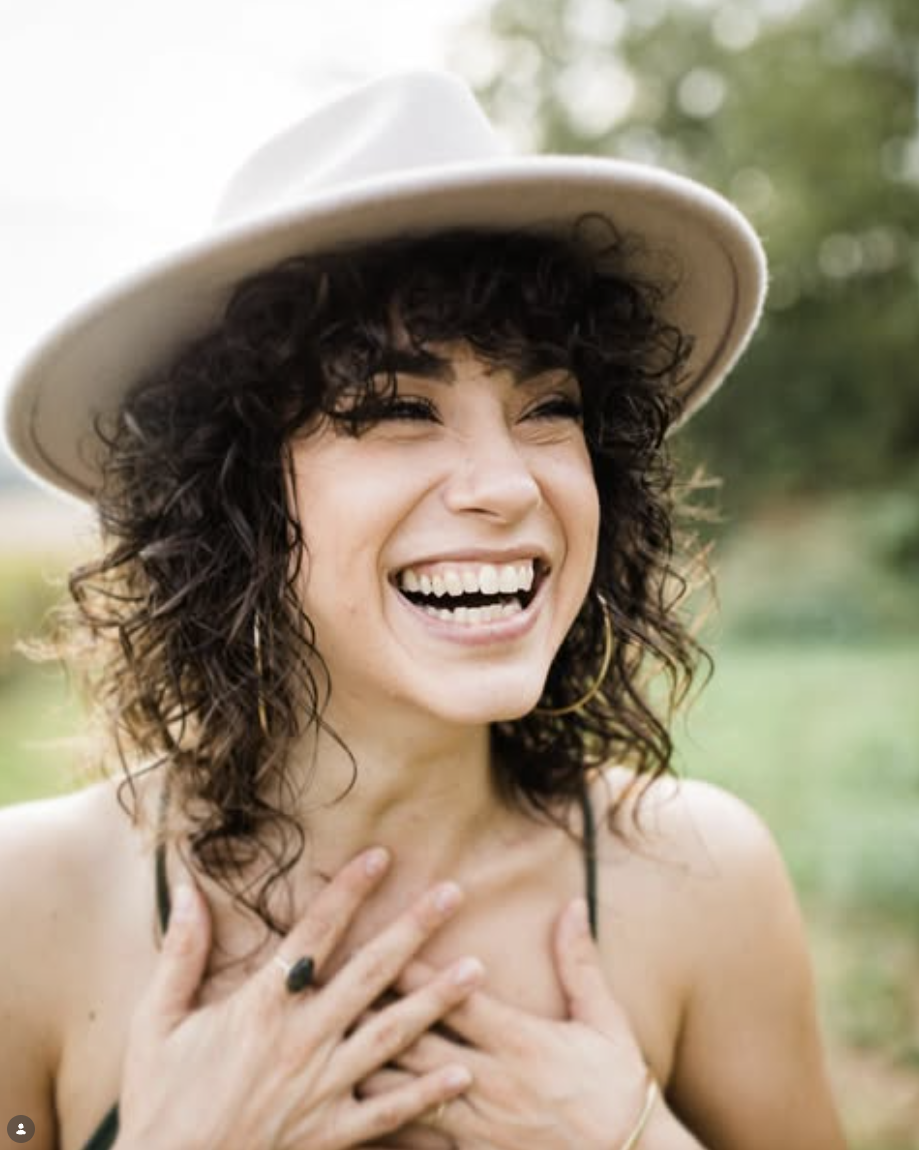
Photography by @littlemountaincreative.co
What do you think people misunderstand about creativity?
I actually think that’s one of the biggest misconceptions people have. We tend to think of creativity as something reserved for actors, painters, musicians, or writers. But creativity shows up everywhere. Creativity isn’t a profession. It’s a way of engaging with the world. I think every person has moments where they’re asked to imagine something that doesn’t exist yet.That’s creativity. It’s one of the most human things we do. Stories don’t only belong on stages. They belong everywhere people are trying to make sense of being alive.
What do you hope your future self thanks you for?
I hope she thanks me for not rushing. For trusting that life unfolds when it’s supposed to.It’s funny because when we started talking today, the Eight of Wands made me think everything was moving so quickly. And it is. My husband and I are starting a family. There are so many changes happening all at once. But I don’t want to look back someday and wish I’d hurried through the life we were building before that chapter began. I hope my future self is grateful for the foundation we created. For the time we spent becoming better partners. Better artists. Better people.
I hope she thanks me for choosing growth instead of urgency. For believing that preparing for the next chapter is just as meaningful as living inside it. Because one day I’ll look back on this season and realize... This wasn’t the waiting.
This was the life.
You’ve mentioned that you and your husband are starting a family. How has that changed the way you think about creativity?
It’s only expanding. I think I’m expanding what it looks like for me to be a creative and a mother. Not only am I literally creating a little person, but I’m exploring how I express the creativity of me, Elana, now that ‘mama’ is apart of my identity. My identity is continually being created; it is continuing to expand.
My husband and I waited a long time before deciding to start a family, and now that it’s finally happening, I keep thinking about all the reasons we chose to wait. We spent those years building a life together. Growing as partners. Growing as artists. Growing as people.
I’m grateful for that foundation. I don’t think we were waiting. I think we were preparing.
Art has always been such a huge part of my life, and I wanted that part of me to feel grounded before adding the beautiful chaos of raising a child. Now it feels like those two worlds are finally ready to meet.
The thing that excites me most is sharing creativity with them. I grew up surrounded by storytelling, imagination, and play. I hope I can pass that along.
Because creativity isn’t just about becoming an artist. It’s a way of understanding yourself. It’s a way of processing the world. It’s a way of finding comfort when life feels overwhelming.
If I can give that to my children... I think they’ll always have a place they can return to.
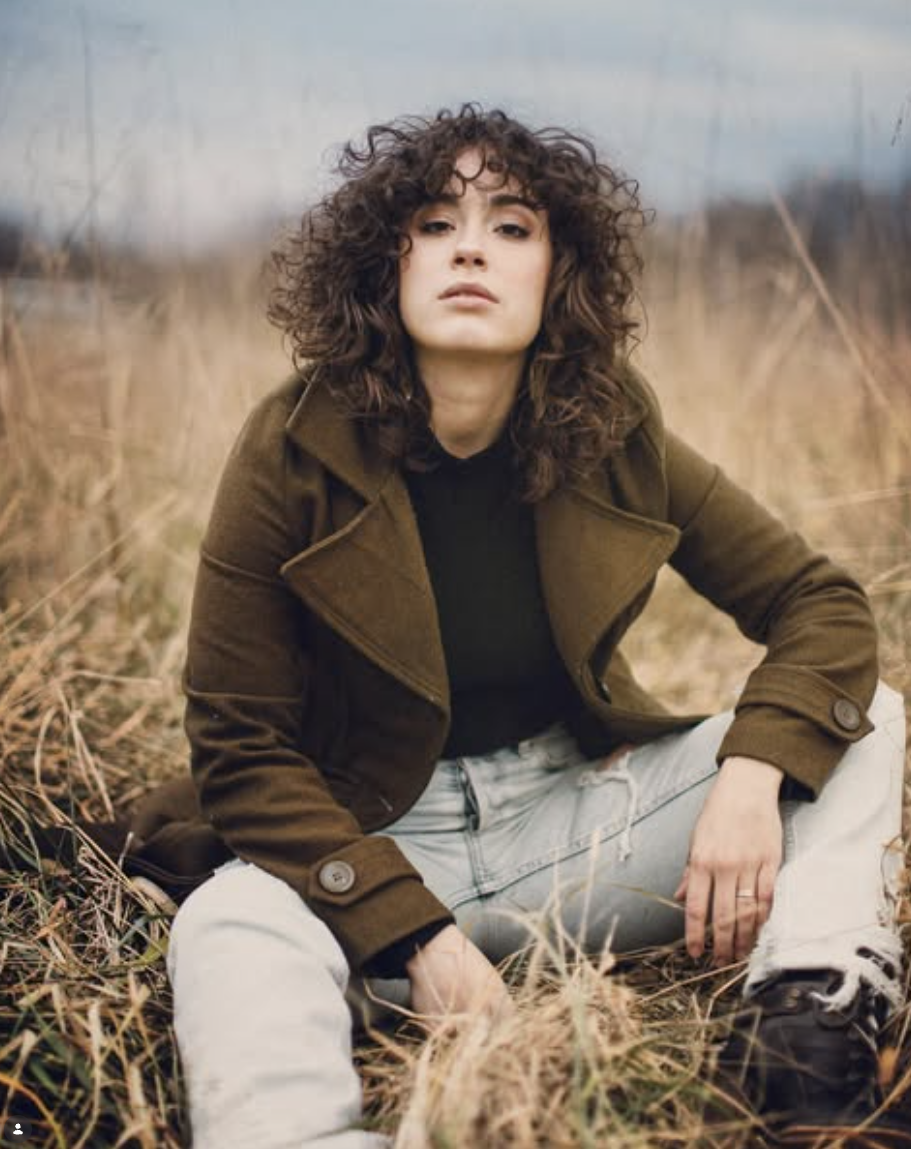
Photography by @littlemountaincreative.co ⠀
Before I let you go, can you tell me about a conversation you’ll never forget?
The first conversation that comes to mind actually isn’t one where I remember every word. It’s one I remember because of how it made me feel. My mom and I were talking about the kinds of women I could play as an actor. At the time, we were discussing different roles and different stories, but what stayed with me wasn’t the list of characters.
It was the realization that I didn’t have to fit into one version of womanhood. I could be funny. I could be serious. I could be adventurous. I could be complicated.
That conversation quietly expanded what I believed was possible for myself.